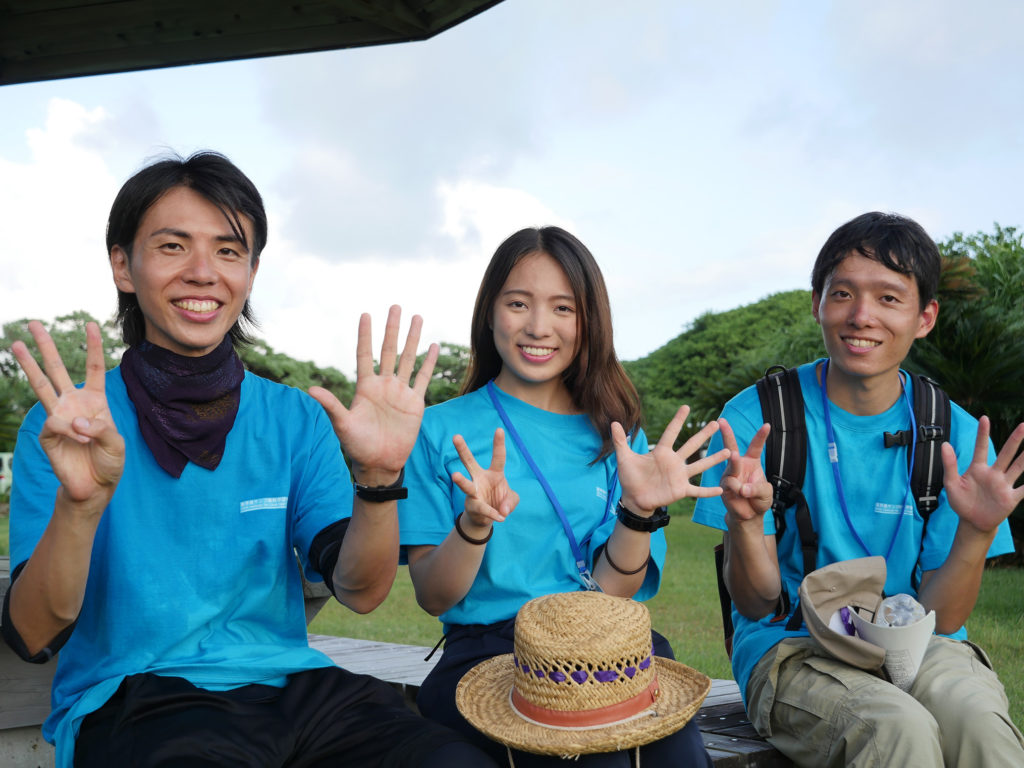
The KIKAI College Research Internship Program offers you the opportunity to deepen your understanding of coral reefs, their surrounding environments, and the relationship between people and nature through hands-on research activities.
As an intern, you will explore the history of nature, human activity, science, and culture through fieldwork and experiments, making discoveries along the way. During your long-term stay at KIKAI College, you will also develop the skills to communicate your findings and present them in the form of a thesis.

The KIKAI College Research Internship
The KIKAI College Research Internship Program offers you the chance to explore the relationship between the global environment and human societies, while learning about the history, culture, and daily lives of people who are closely connected to coral reefs. Our goal is to help develop the next generation of leaders—individuals with the creativity and drive to shape new fields with an eye to the future.


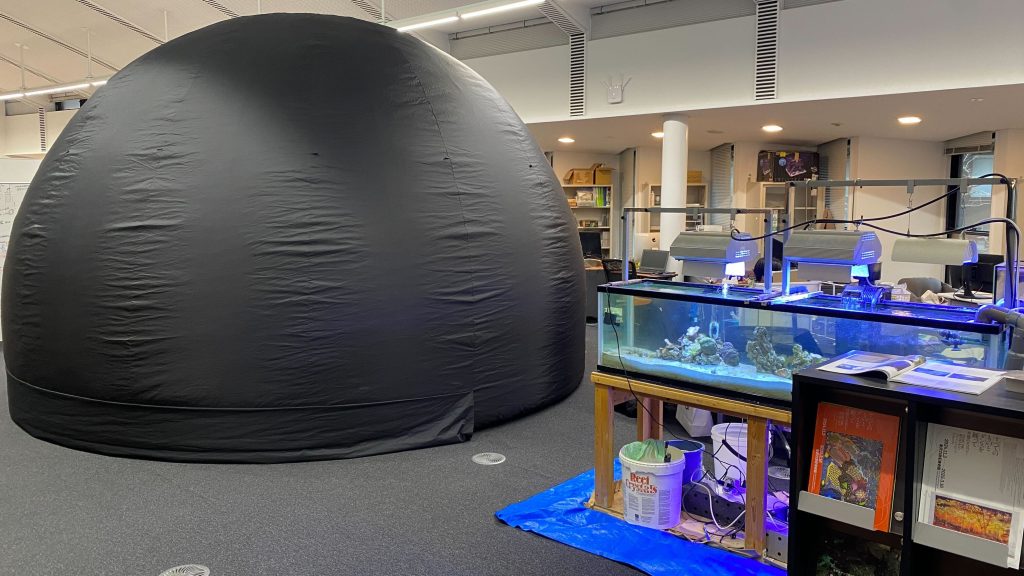
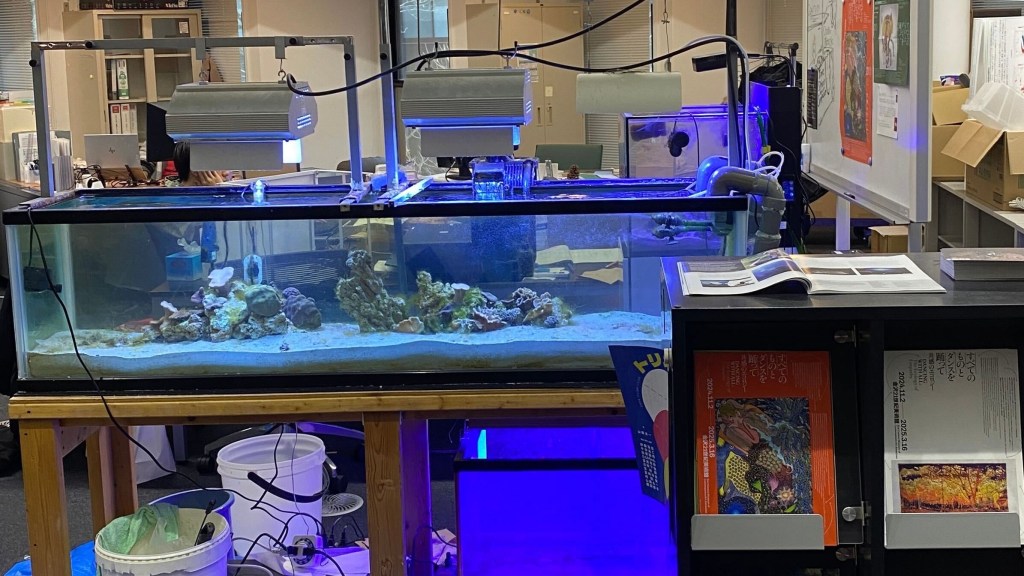
KIKAI College is committed to conducting cutting-edge research under the motto “From Kikai Island to the World”. The institute is involved in local coral reef conservation, marine education, and events that share the latest developments in coral reef science with audiences ranging from elementary school students to graduate students nationwide. The institute brings together leading researchers and artists from around the world, offering opportunities to interact with people from a variety of fields.
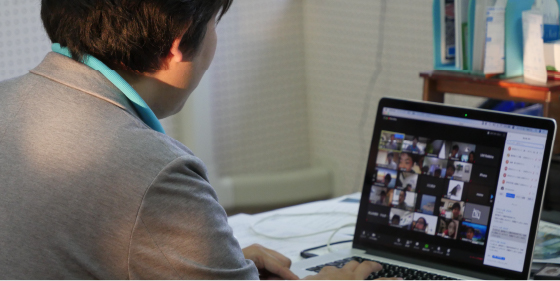
In the research internship Program, students conduct coral reef research under the guidance of mentors while learning basic research methods in coral reef science. Long-term stay allows for a deeper research experience, including support with writing a thesis. Even students without prior expertise are welcome to join, as they can study the fundamentals through on-demand lectures before arriving.
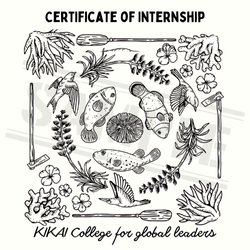
An Open Badge will be issued upon completion of the internship. An Open Badge is a digital certificate of skills, knowledge, and experience. Widely adopted by universities, certification bodies, and global IT companies in Europe and the US – and increasingly in Japan – Open Badges make your learning achievements visible. They can be used to demonstrate competence on social media or on resumes.

Overview
The types of experiences offered, and participation fees vary depending on the accommodation and the duration of the internship. The longer you stay, the more you save.
10% discount for 2 months
Interns who stay for 2 months or more will also receive an Assistant Mentor Certificate.
15% discount for 3+months
Interns who stay for 3 months or more will receive a Coralogy Writing certificate.

※1: Assistant Mentor: Learn how to support both students and mentors by acting as a bridge and assisting in environmental education.
※2: Thesis Writing Guidance: Write a thesis based on the research conducted during the internship.
Internship Process
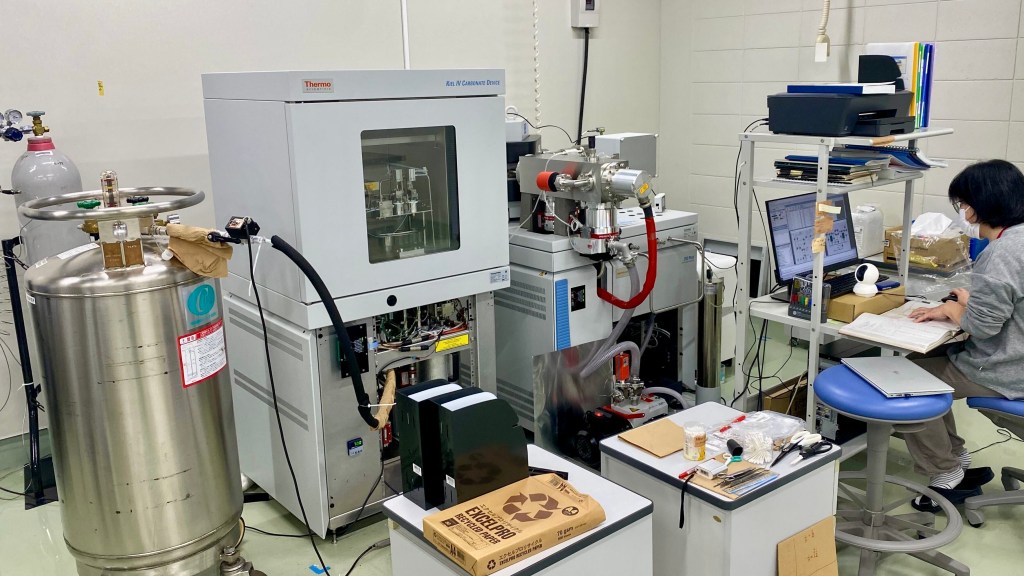
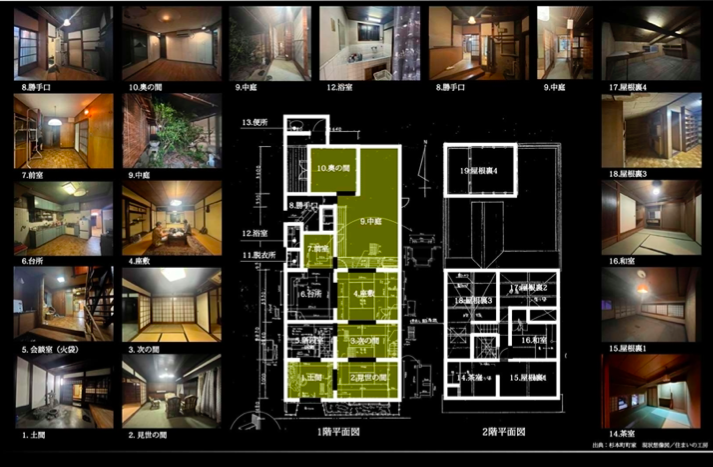
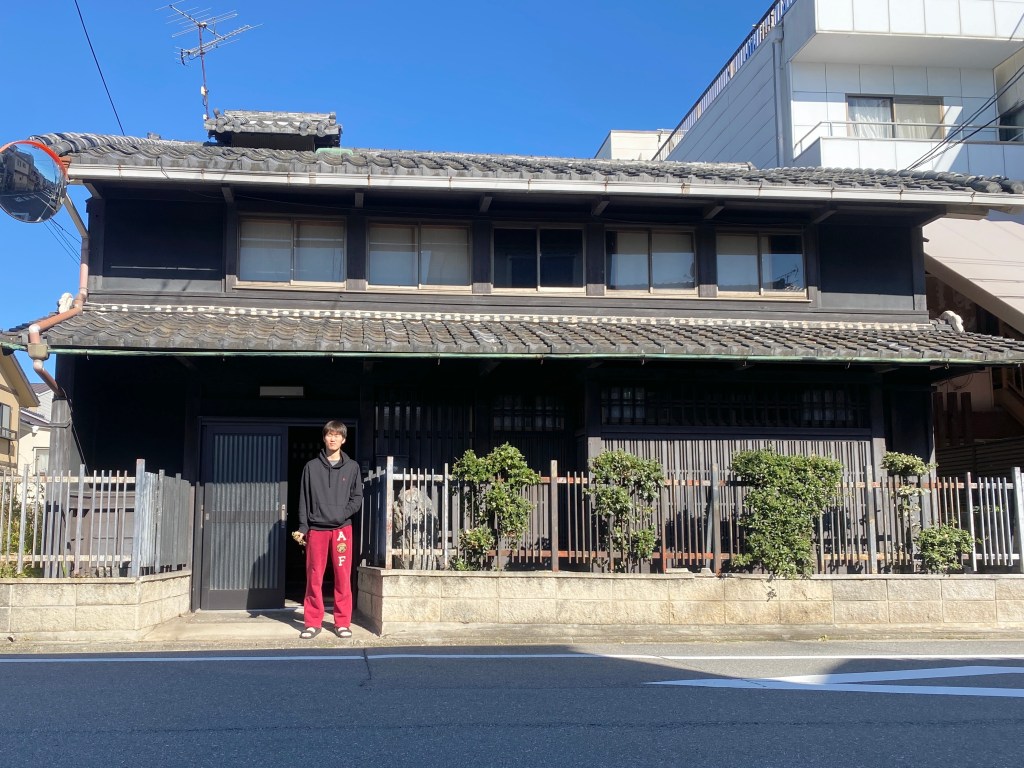
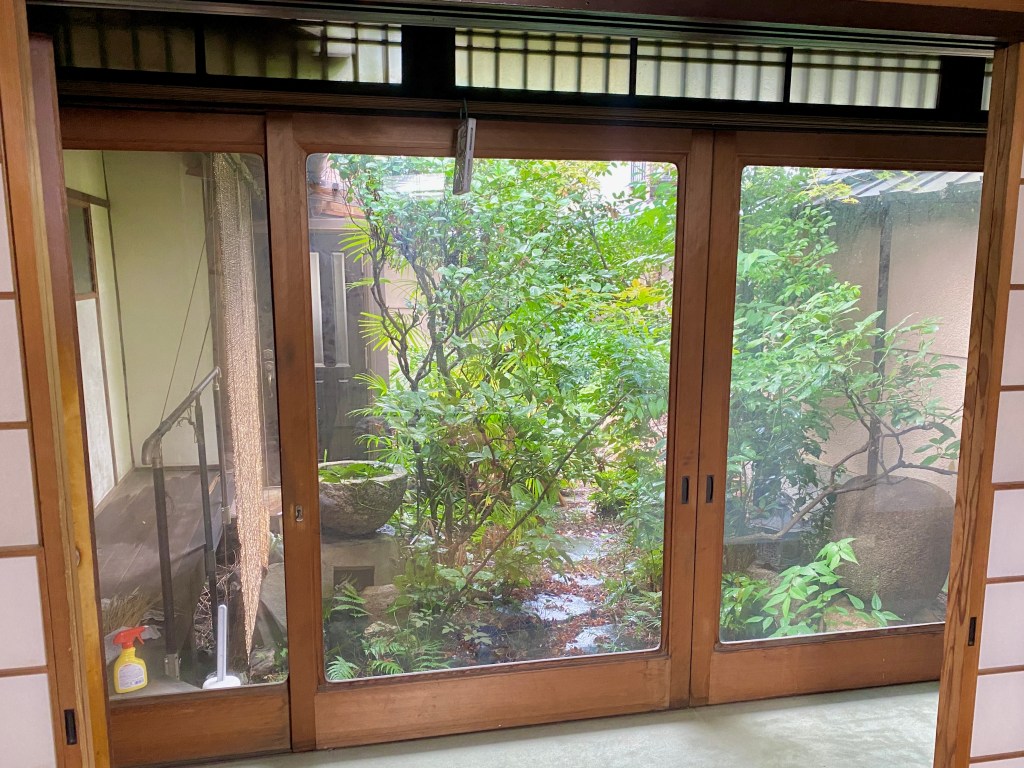




Weekly Schedule
The internship is conducted 5 days a week from Tuesday to Saturday, 10:00-17:00.

Program Participation Fees
The program participation fee includes:
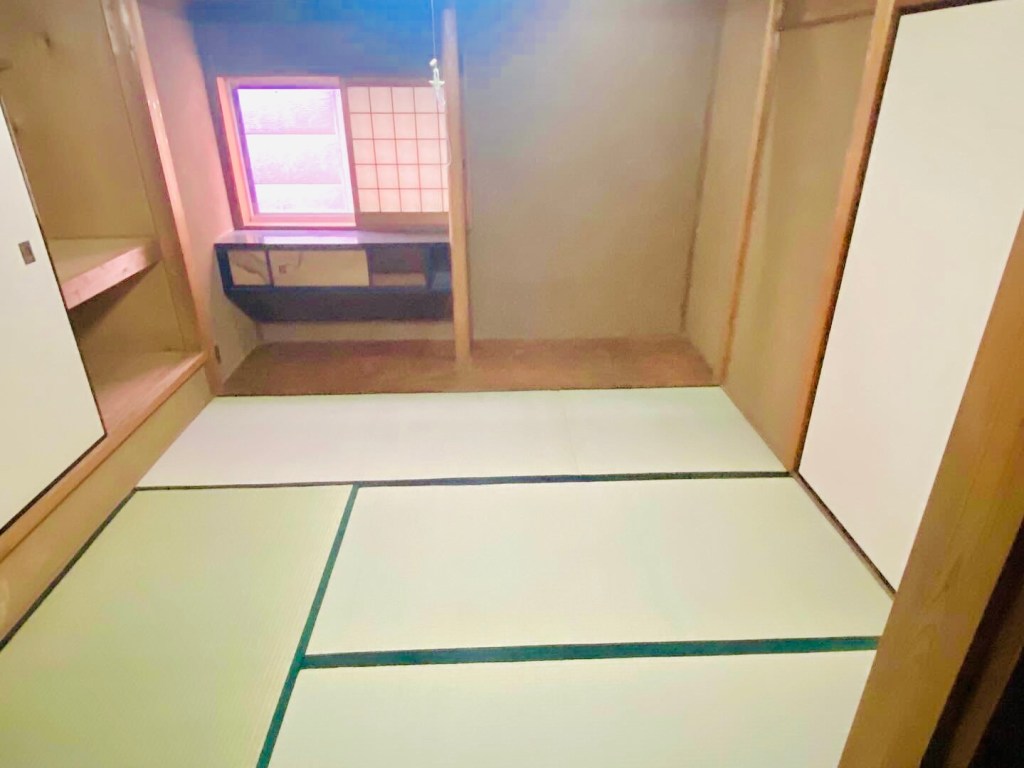
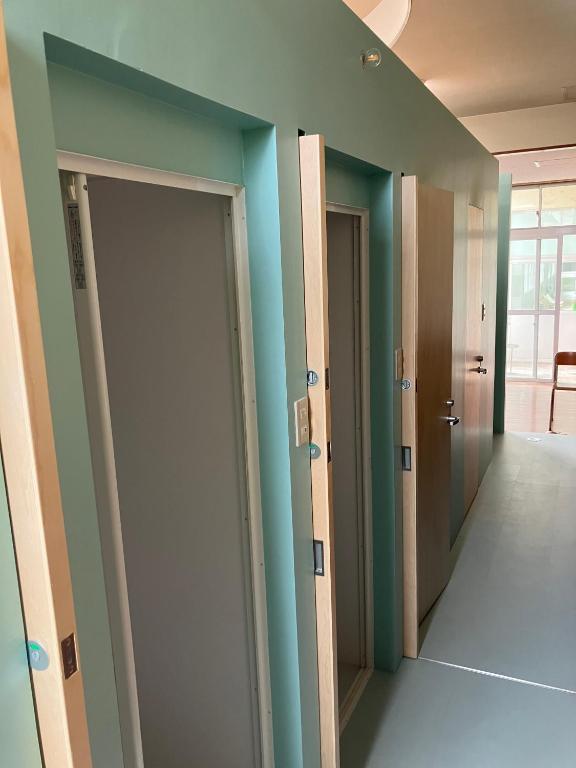
- Dormitory accommodation (utilities, air conditioning, shared kitchen, shower, toilet, washing machine, Wi-Fi, etc.)
- Student membership and use of institute facilities
- Open Badge issuance fee
*Fees do not include transportation to Kikai Island or food expenses.


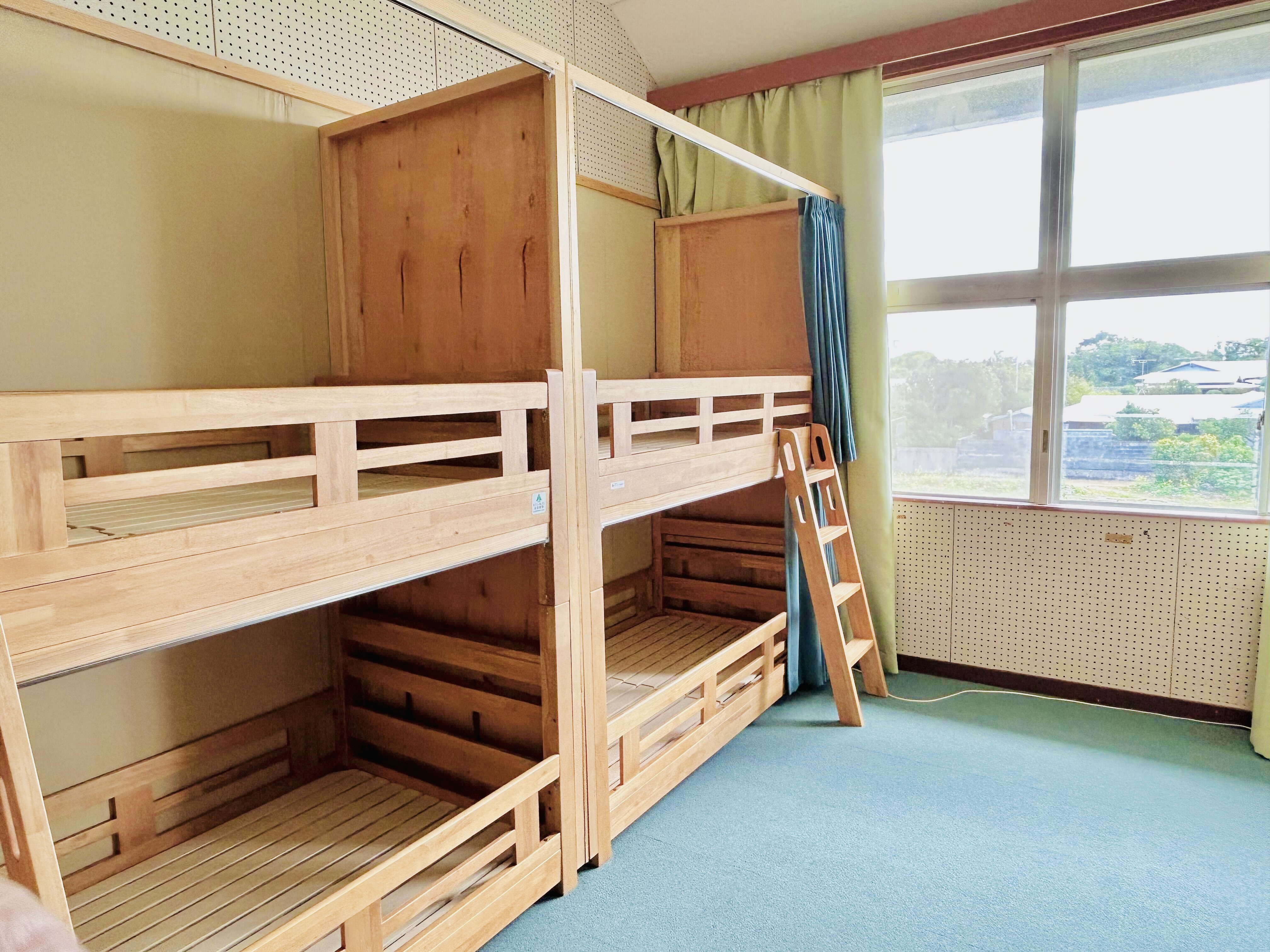

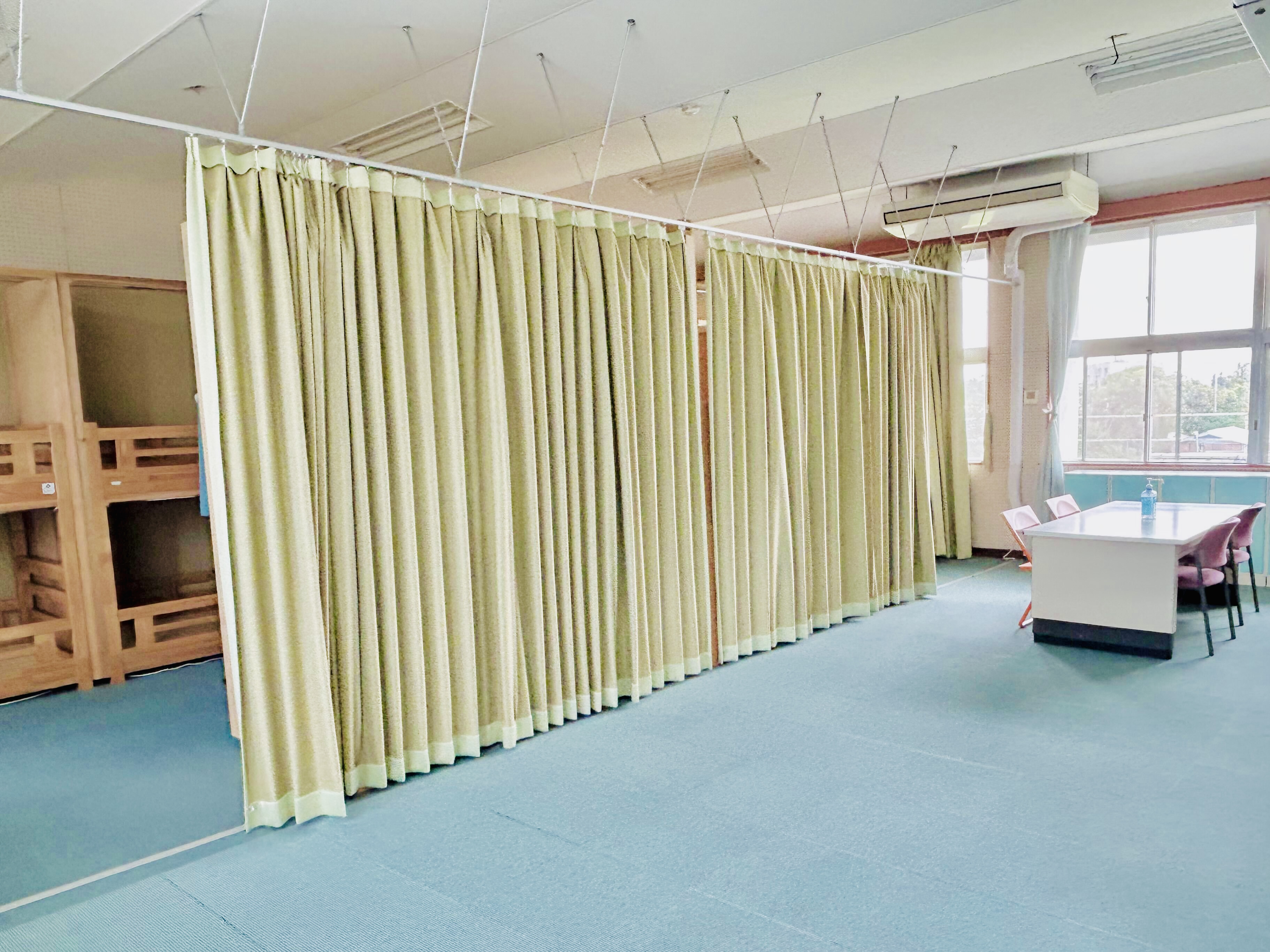
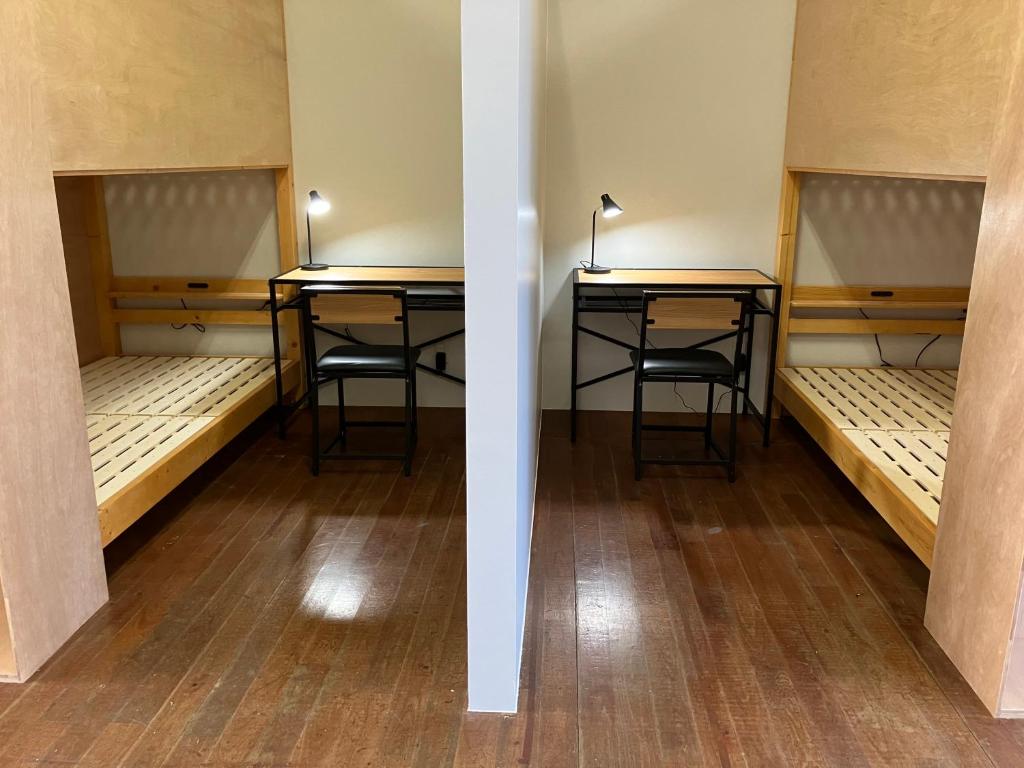
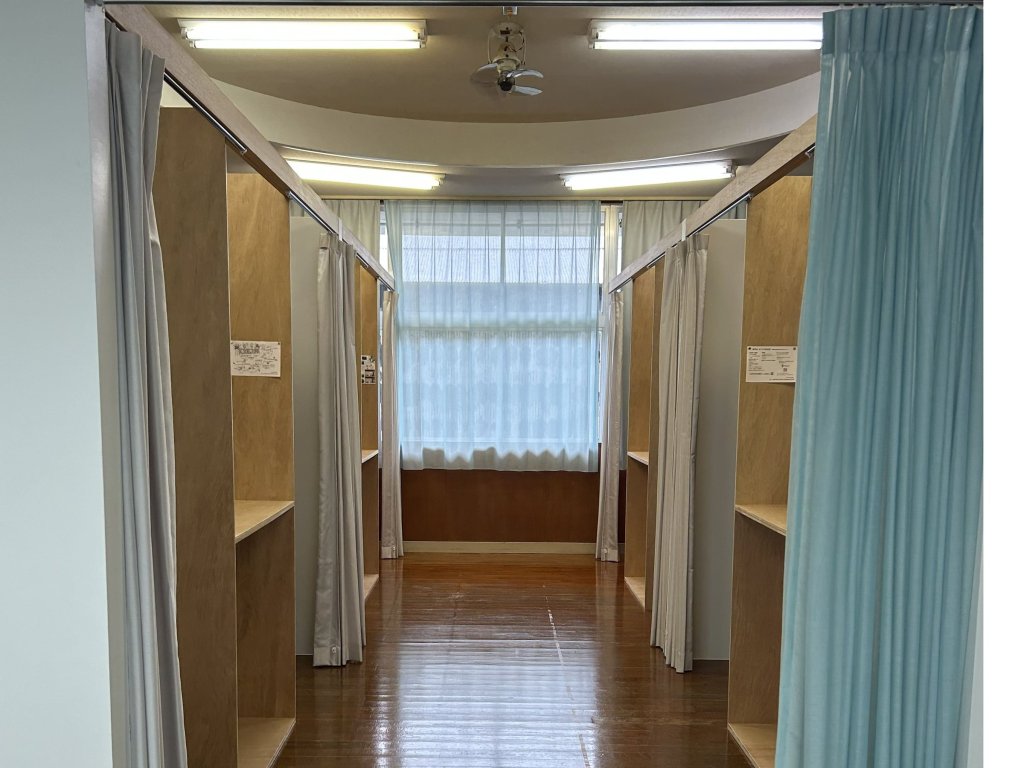





Application Guidelines
・Internship location
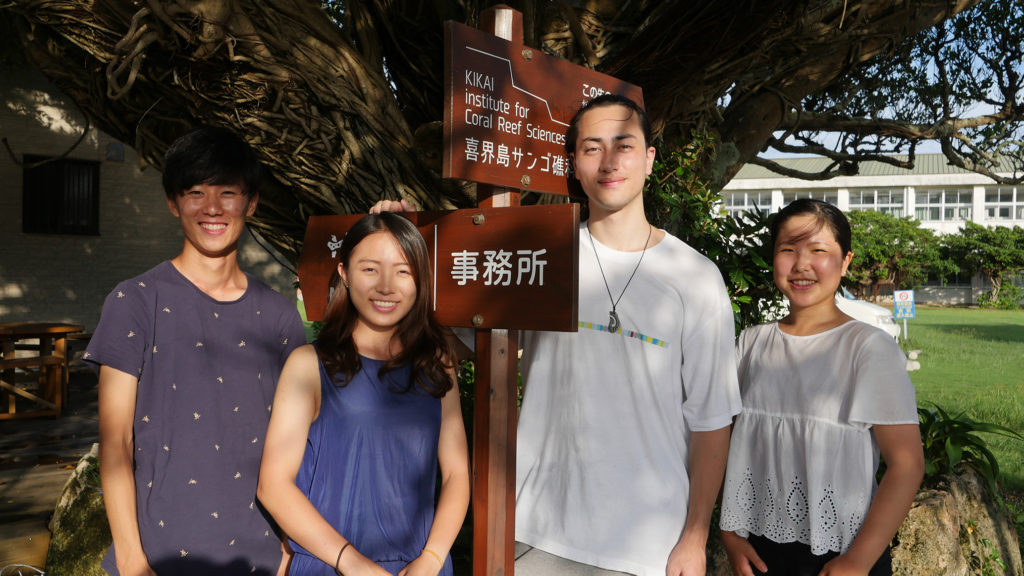
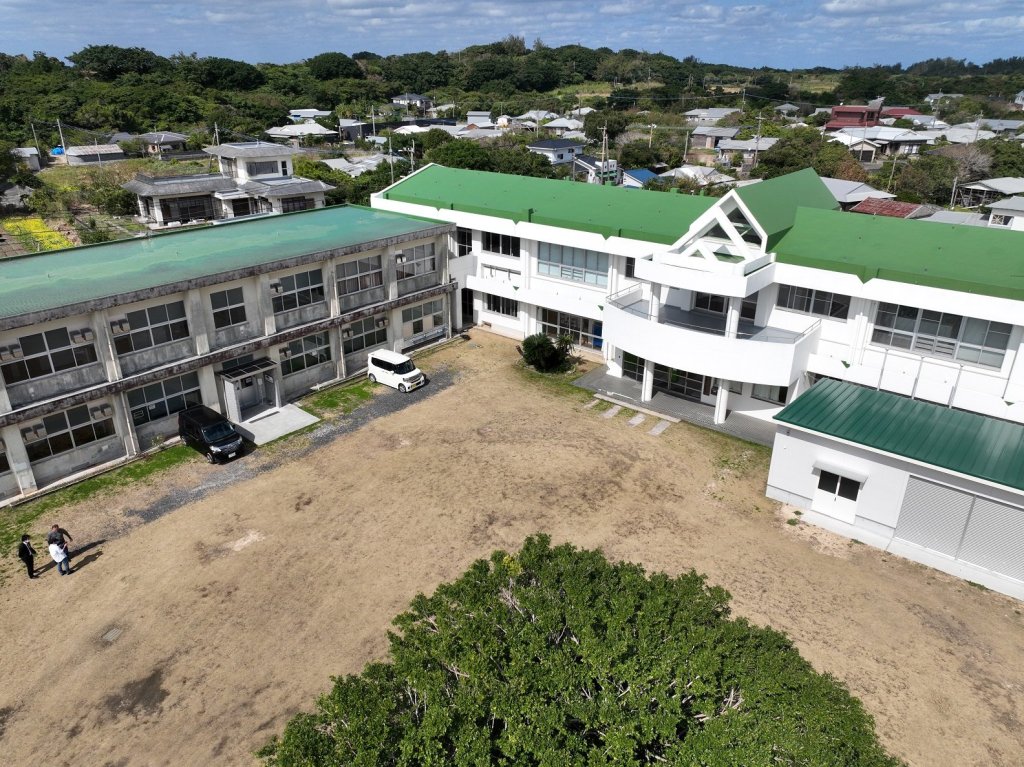
Kikai Institute for Coral Reef Sciences
1508 Shiomichi, Kikai-Cho, Oshima-Gun, Kagoshima 891-6151, Japan
・Internship Period
From 1 month
・Eligibility
Open to students from all years and majors
・Number of Participants
Limited
・Application Deadline
Apply no later than 3 months prior to your desired start date.
All applications for the Summer Science Camp internship in August must be submitted by the end of May.
・Selection Process:
-Document screening (resume and motivation letter)
-Online interview
Internship Diary
環境の変化を自分の五感で感じる
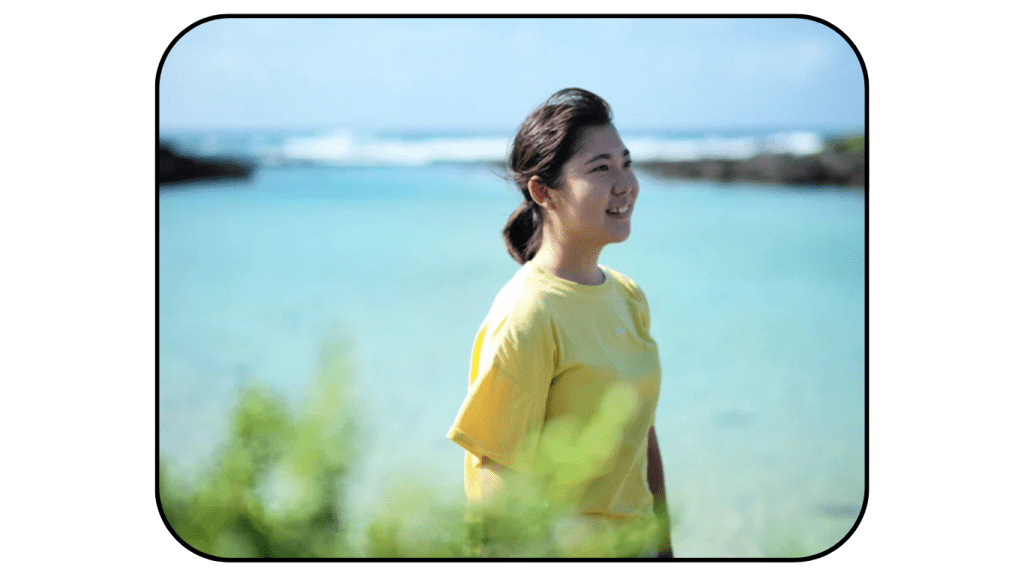
一番惹かれたのは、実際のフィールドに研究所があるというところです。私自身、現地でしか実感できない環境変動や地元の方々の雰囲気があると思っていました。なので世界的にも稀なサンゴ礁が隆起し続ける島「喜界島」に拠点がある研究所で学び、貴重な経験をさせていただきたいと思い、応募しました。
1ヶ月間での経験
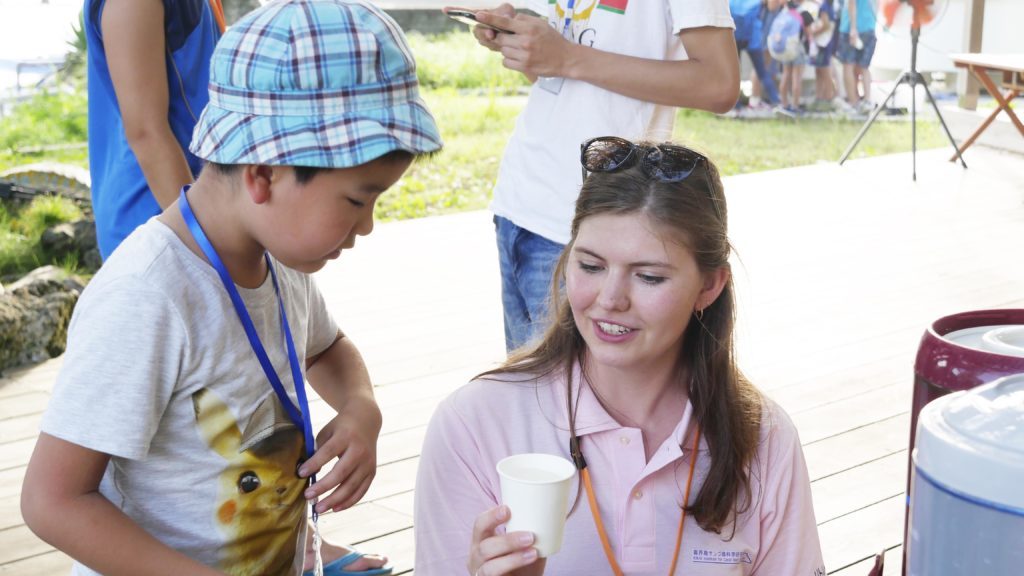
サンゴCAFEの営業・SNS管理、サンゴ幼生飼育、サイエンスキャンプの準備・スタッフ、採水観測、フィールド調査など、多種多様な業務をさせていただきました!
今後の目標
KIKAI College 生としてたくさんのことを学び吸収して、少しでも自分が将来やりたい研究(海洋物理的視点から考えるサンゴ礁生態系の保全)に繋がる研究にこの研究所で携わらせていただくことです!
James Cook University, QLD, Australia吉田 桃英さん
教育が未来の環境保護にとってどれだけ重要かを実感しました
今回のインターンシップで、環境教育を通じて小さな行動が大きな変化を生む可能性があることに気づきました。サンゴ留学生と一緒にサンゴの研究を行う中で、彼らの純粋な興味や疑問に触れるたびに、教育が未来の環境保護にとってどれだけ重要かを実感しました。
1ヶ月間での経験
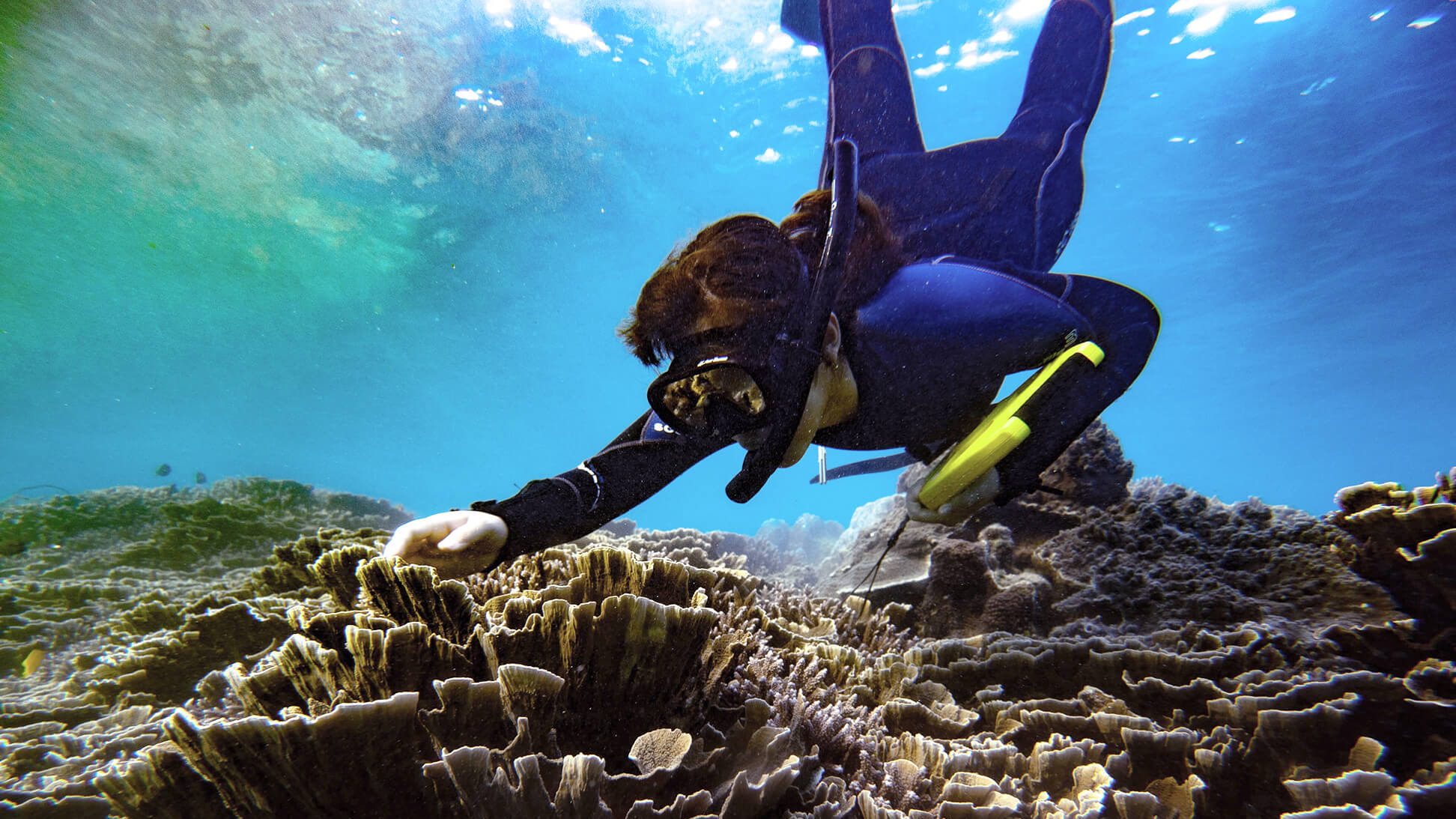
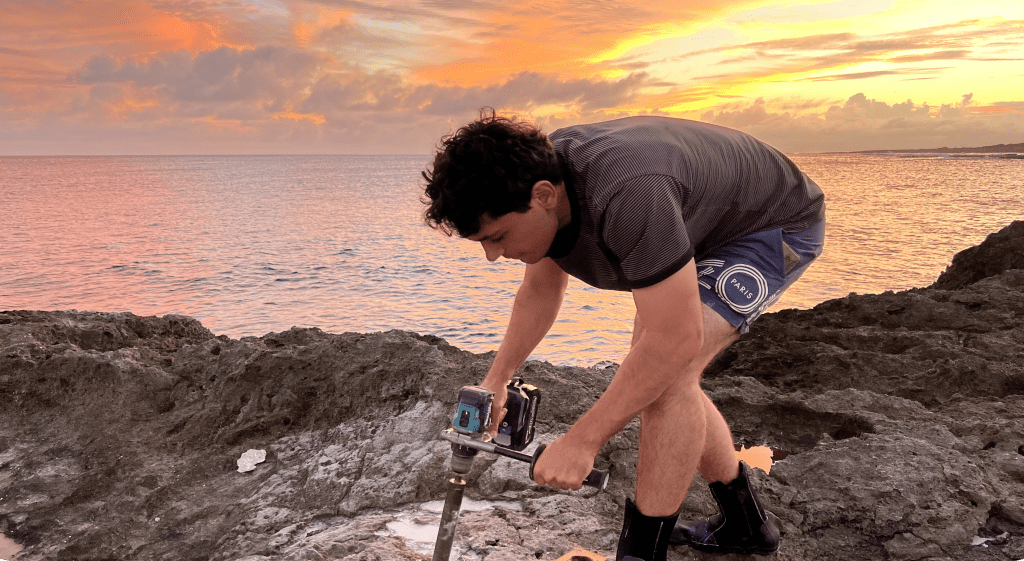
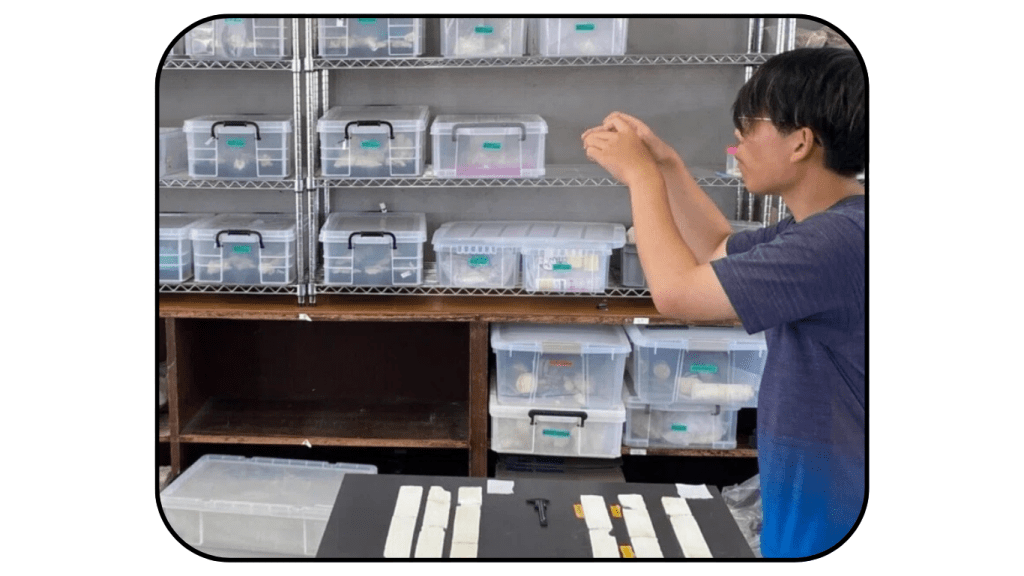
サンゴのコアの採集作業やライントランゼクト法・
採取したコアのCTスキャンを撮り成長線を探す作業やトランゼクト法にて得た水中の動画から立体的な3Dモデルを作成しました。
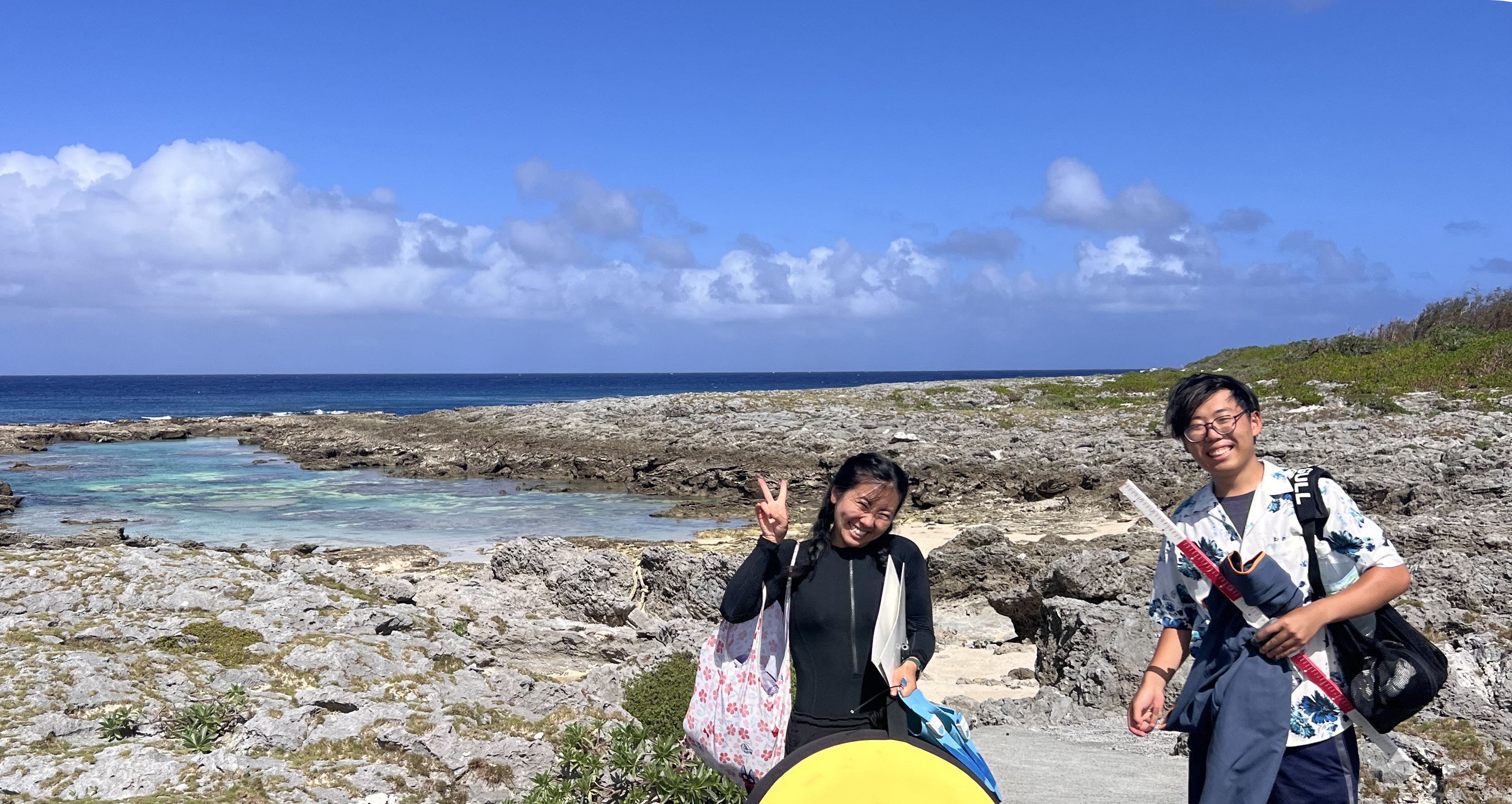
また、毎週水曜日は早町港にて採水を行いDO、pHや水温などといったデータとサンプルを採集し研究所に持ち帰りより高精度の成分分析を行う前処理などを行いました。
長崎大学多文化社会学部 梶本 凜太朗さん

Corals can teach us about our own personal resilience to adapt to our continuously changing world, while remembering the importance of our roots and our communities that can support us even through major events
I found this internship back in 2021 when I was graduating from university. I had already completed some coral research in Thailand and Indonesia as part of a study-abroad program and wanted more hands-on research. The idea of being able to study corals in Japan was exciting, especially knowing the important history of corals in Kikaijima.
University of California, Santa Barbara (Graduated 2021) Krislyn (Kiki) Takeuchiさん
I felt very inspired by this island where so many people are doing what they really want to do.
I am interested in marine biology and climate change. I wanted to learn how climate change will affect corals and do research with the help of corals. Kikai institute for Coral Reef Sciences sounded like a really great opportunity to do that. I applied to this internship because I believed it would be a great step for my studies and for my ambition to engage in scientific research work later at an international level and in different working environments.
What did you do in your internship?
I really liked field work and it was very interesting to explore the research area. I enjoyed learning how to take samples, photograph them (CT-photos, UV-photos), and analyze them. This way, I got to learn different phases.
University of Oulu Peppi Heikkiläさん